Custom Gensingen Brace Weiss (GBW) For Scoliosis
Designed specifically for your unique scoliosis curve pattern to achieve better treatment outcomes.
Official GBW Provider
Authorized Provider in Malaysia
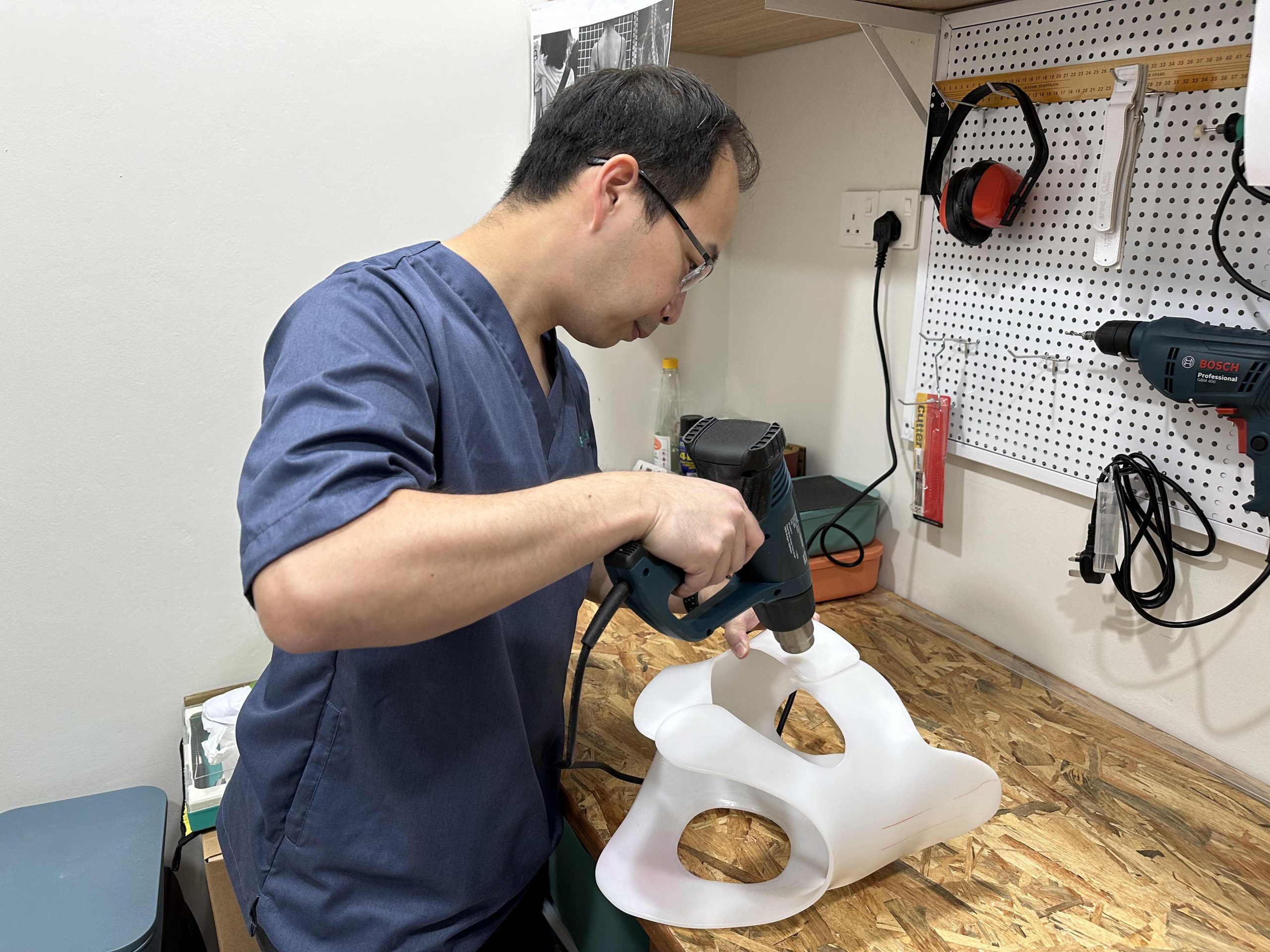
CAD/CAM Custom Design
Individually designed for your curve
specific 3d correction
Targets the root cause in three dimensions
Compatible with Schroth exercise
Brace + exercise for the best outcomes
Beware of counterfeit products.
Only genuine and highest-quality products carry the Gensingen Brace Weiss brand (protected by patent and trademark rights), and are distributed exclusively through authorized and certified distributors.
What is Gensingen Brace by dr. Weiss? (GBW)
The Gensingen Brace Weiss (GBW) is a custom-made 3D scoliosis brace developed by renowned German scoliosis specialist Dr. Hans-Rudolf Weiss.
Based on the Schroth method and created using CAD/CAM technology, it is designed around each patient’s unique curve pattern to provide targeted correction with improved comfort.
Why GBW Brace Stands Out
Design & Technology
New and improved modern brace
Asymmetric design for true 3d correction
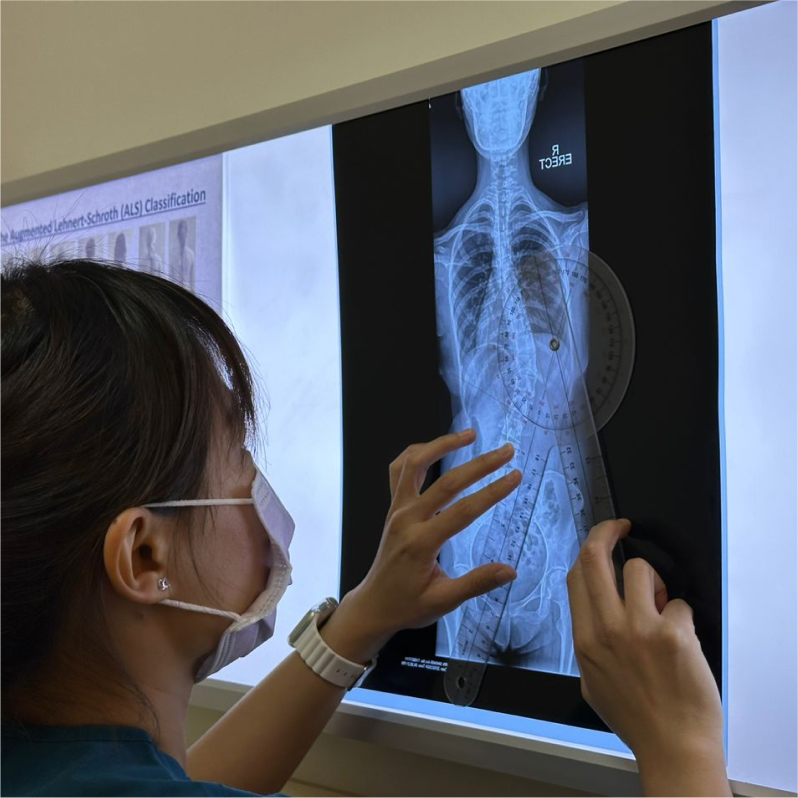
Developed using the augmented-lehnert schroth classifications
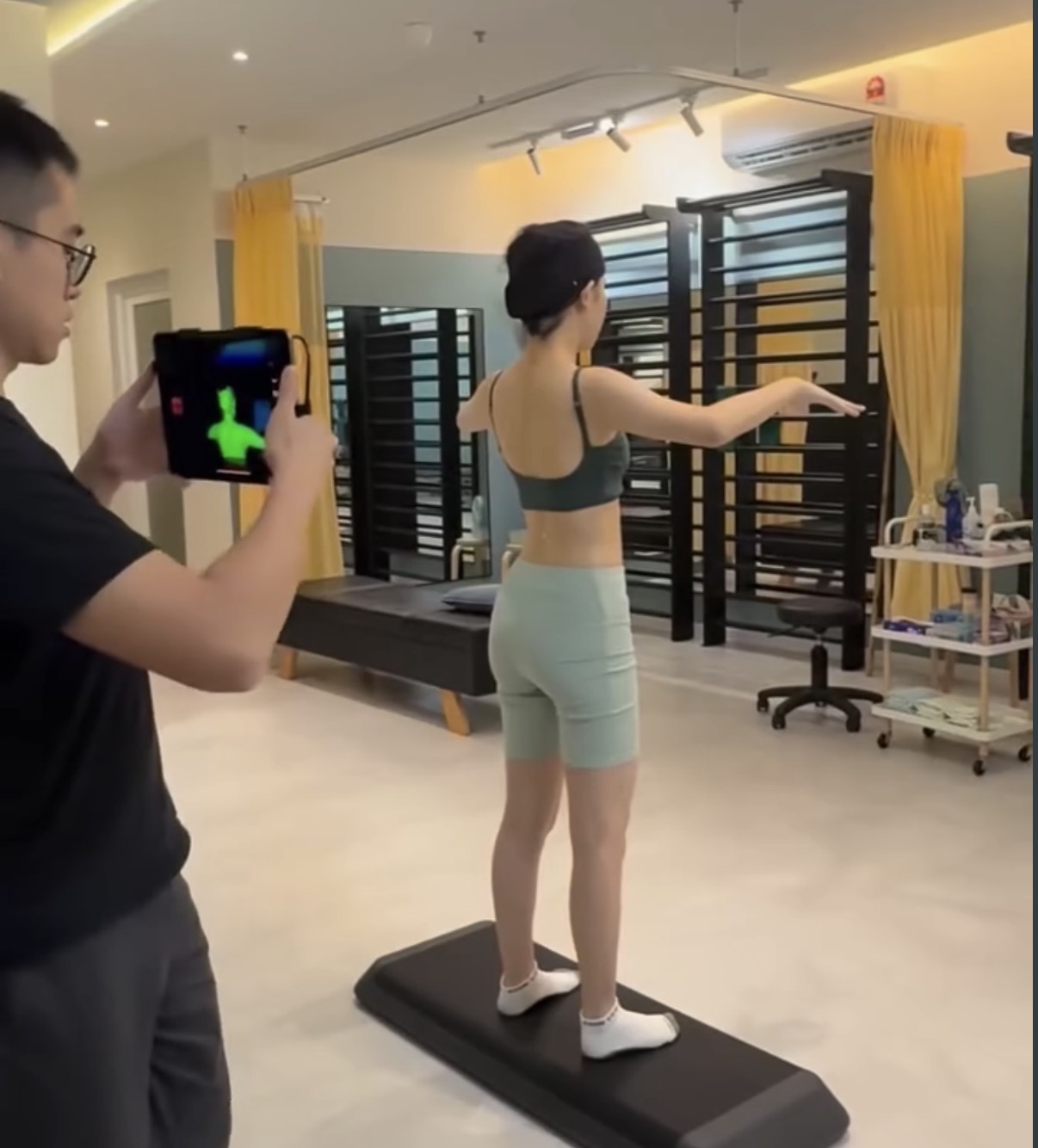
3D scanning technology for fast, accurate, painless measurement
Clinical Benefits
Pressure zones & spinal openings help induce correction & reduce spinal rotation
Proven in-brace correction, aiming for overcorrection when possible
Improved posture and a more balanced appearance
95% success rate in preventing scoliosis surgery
Treatment Suitability
Suitable for mild, moderate, and severe scoliosis
Can be used alone or alongside Schroth Best Practice exercises for optimal results
Easy to wear, which may improve compliance
Your GBW Treatment Journey
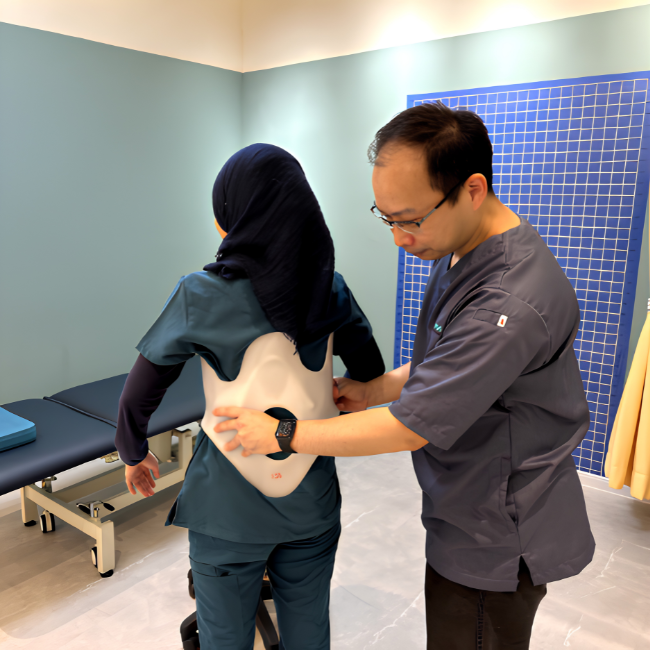
Factors Affecting Improvement
1. Initial Curve Severity
The starting Cobb angle can influence how much improvement is possible. Earlier bracing often offers better potential to reduce or slow progression.
2. Spinal Flexibility
A more flexible spine usually responds better to corrective forces. Earlier intervention may help before the curve becomes more rigid.
3. Growth Remaining (Risser Stage)
Children who are still growing often have greater potential for improvement because their spines respond more readily to correction.
4. Brace Wear Compliance
Bracing works best when the brace is worn consistently as prescribed. Comfort, fit, and family support all help improve compliance.
5. Ongoing Support & Adjustments
Regular follow-up helps refine the fit, answer questions, and keep treatment on track for the best possible outcome.
Why schroth exercise & GBW brace work better together
Compatibility between the Schroth exercises and the brace is important because it ensures both work together to achieve the best results for scoliosis management. When a brace is designed to complement the Schroth method, it supports the spine in a corrected position, while the exercises focus on strengthening and stabilizing the muscles around the spine.
Using a brace that aligns with the principles of the Schroth method allows patients to maintain corrected posture during daily activities. The brace provides structural support, while the exercises retrain muscles and improve posture in the long term. This combination helps prevent curve progression, promotes spinal alignment, and supports healthier movement patterns. At ScolioRehab, we ensure this compatibility to maximize the effectiveness of both treatments for our patients.
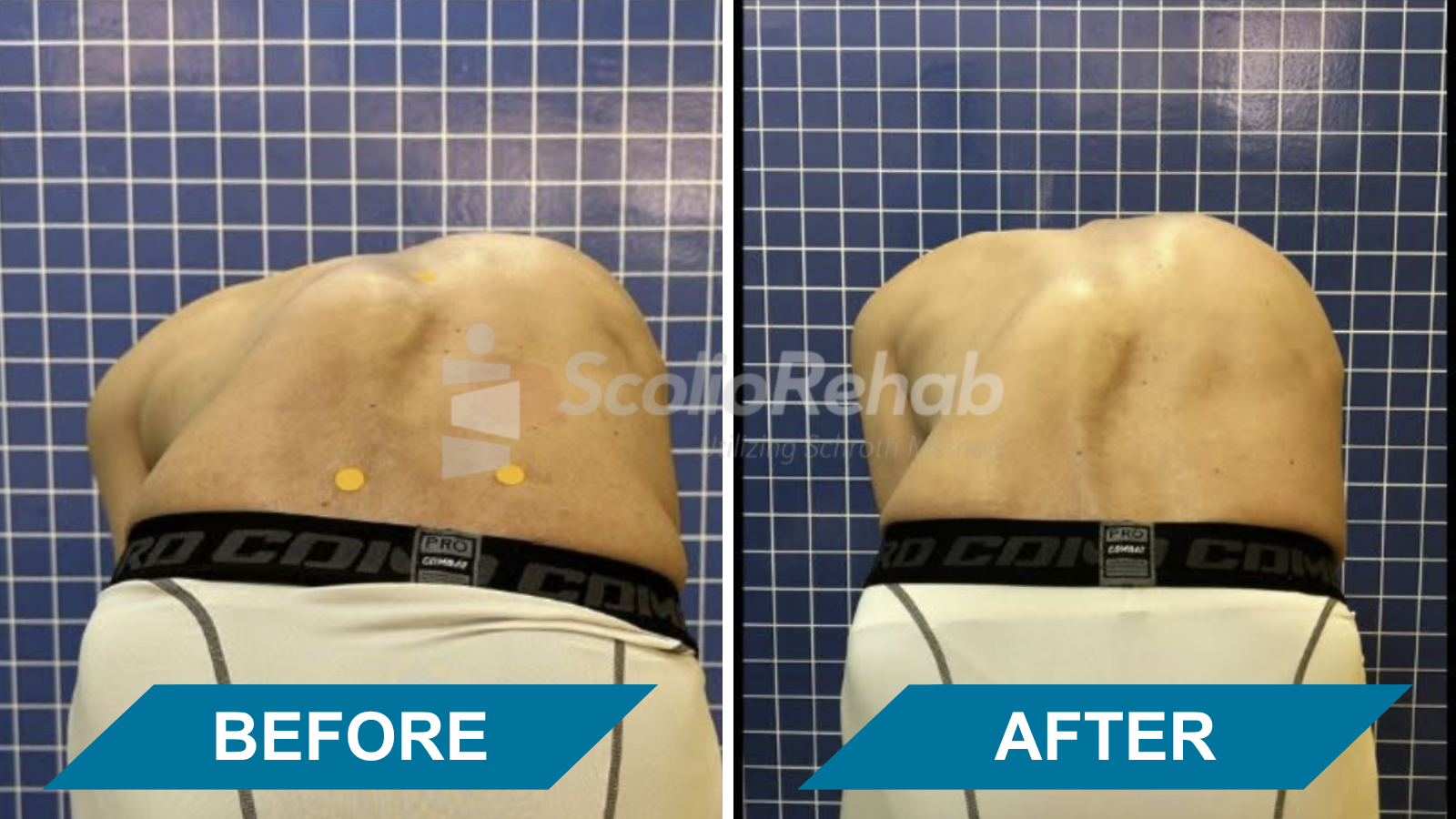
Cobb Angle Reduced
This patient completed 3 months of scoliosis-focused rehabilitation with follow-up monitoring to track changes over time.
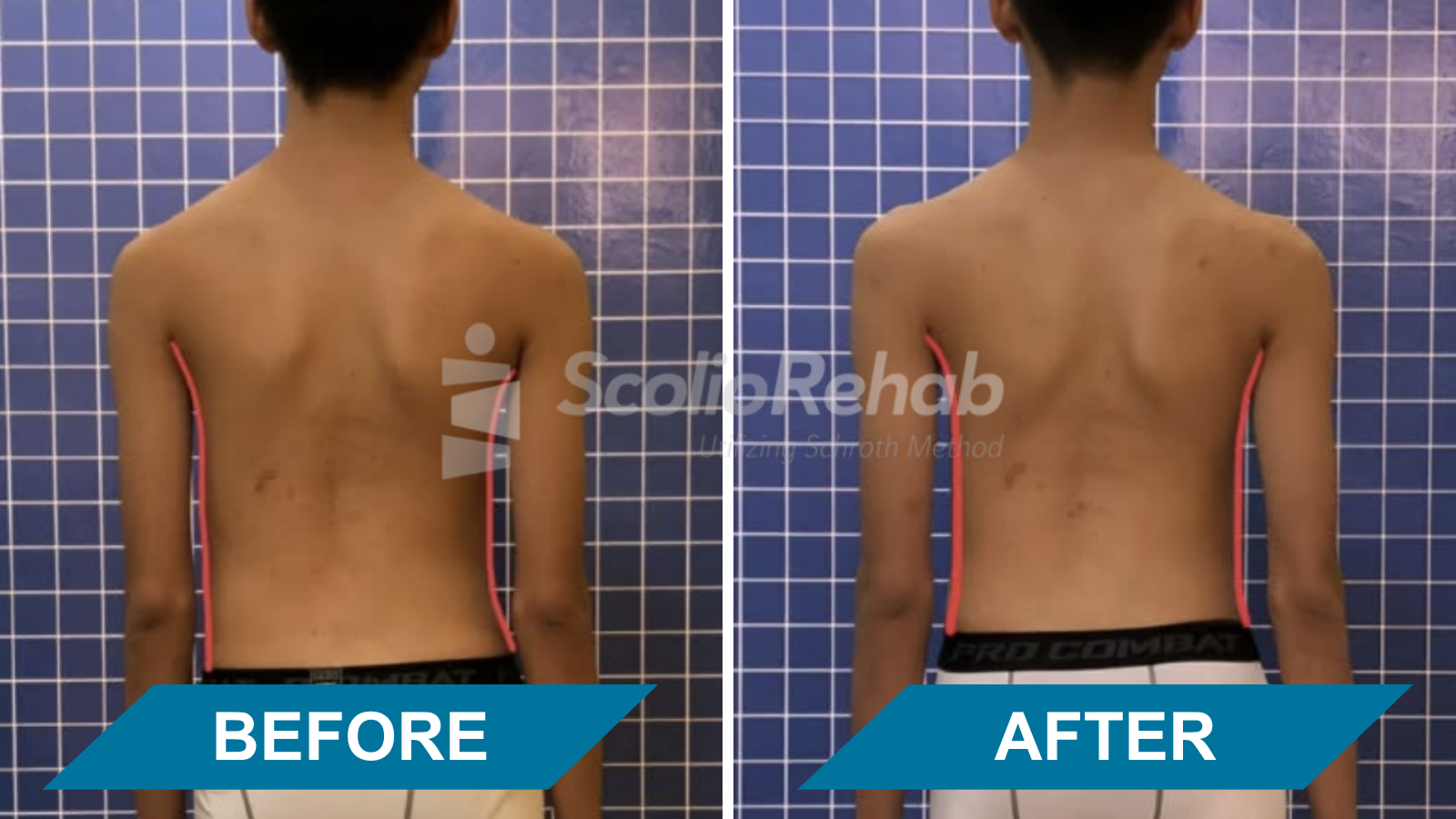
6 Months Treatment
A 6-month treatment journey demonstrating gradual improvements through consistent rehabilitation to the recommended care plan.
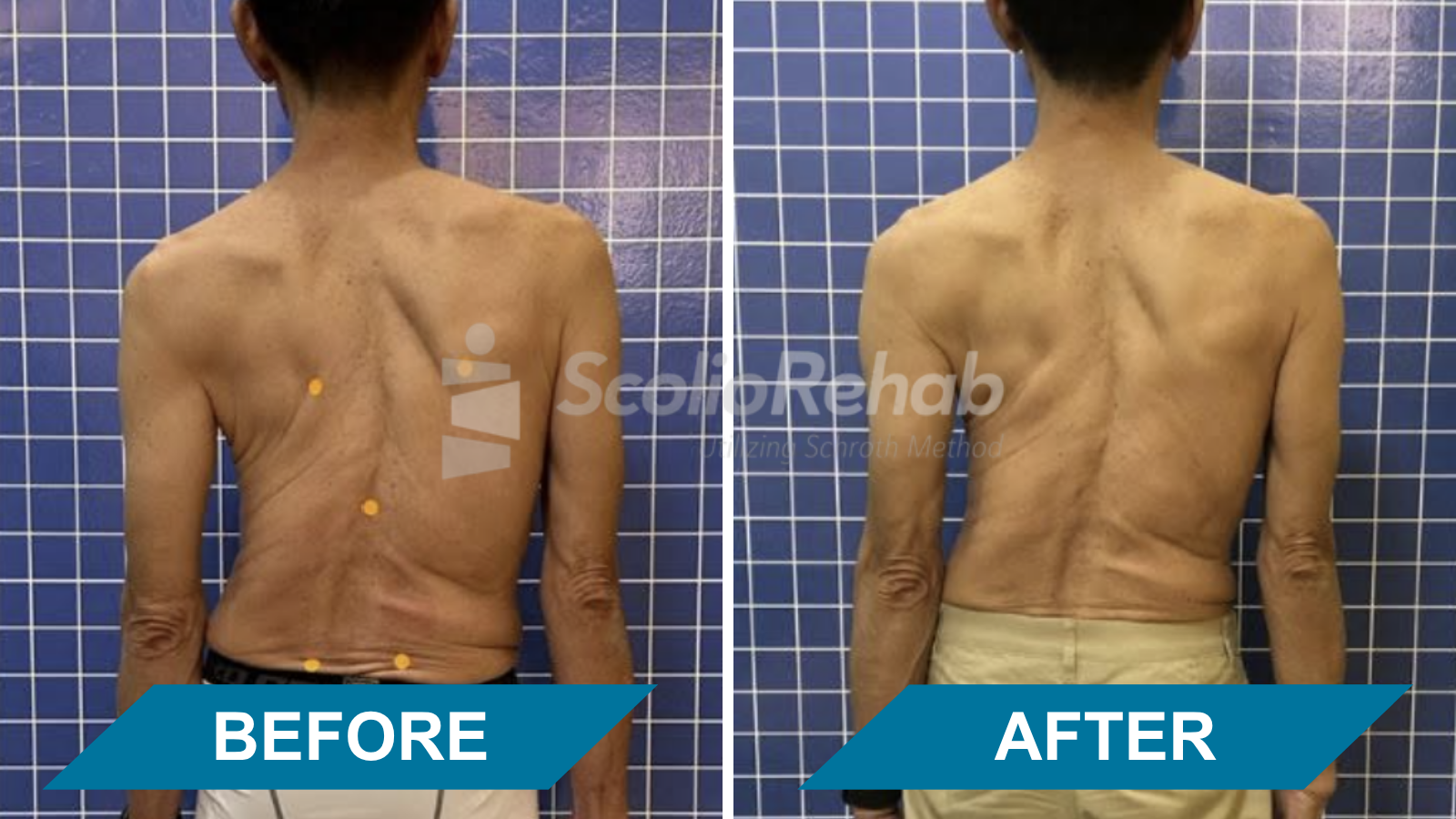
3 Months Treatment
A 3-month follow-up showing changes in posture and spinal appearance after participating in a structured scoliosis rehabilitation program.